

Tanker truck accidents often result in far more severe consequences than typical semi-truck collisions. These vehicles frequently carry hazardous or flammable materials, and a crash can trigger fires, explosions, or toxic spills, putting entire communities at risk. The force of the impact, combined with the volatility of the cargo, increases the likelihood of life-altering injuries or fatalities.
Insurance companies and commercial carriers often fight to limit liability, especially in high-stakes cases involving tanker trucks. This makes experienced legal representation essential. At D. Miller & Associates, PLLC, in Houston, our team of 83 dedicated professionals works tirelessly to provide compassionate, client-focused support. If you’ve been in a tanker truck accident, we want to help you pursue justice. Schedule a free consultation today.
The Unique Dangers of Tanker Truck Accidents

While all commercial truck accidents pose serious risks, tanker truck collisions involve additional layers of complexity and potential harm due to the nature of the cargo.
Tankers frequently transport hazardous materials, including gasoline, industrial chemicals, and corrosive substances. These materials are regulated under both the Federal Motor Carrier Safety Administration (FMCSA) and the Pipeline and Hazardous Materials Safety Administration (PHMSA) guidelines, which require specialized driver training, vehicle markings, and containment protocols.
When a tanker carrying hazardous cargo is involved in a crash, the consequences can include chemical spills, fires, or environmental contamination. These factors increase the likelihood of severe injuries, property damage, and regulatory investigation, making tanker truck accidents more complex in terms of both public safety and legal liability.
Liquid Cargo Instability in Tanker Trucks
One of the key factors that increases the severity of tanker truck accidents is the inherent instability of liquid cargo. When a driver brakes, turns, accelerates, or changes lanes, the liquid inside the tank can “surge” or “slosh,” shifting the vehicle’s center of gravity, compromising stability. This can lead to rollovers, jackknifes, or lane departures, particularly at higher speeds or on curved roadways.
Federal regulations recognize the risks associated with transporting liquid cargo. The FMCSA requires drivers of tank vehicles to obtain an “N” endorsement on their commercial driver’s license (CDL), confirming they are trained to manage the unique challenges of tankers. If a carrier fails to ensure this training, or if a driver operates a tanker unsafely, that negligence is grounds for legal liability when it results in an accident or loss of control.
Hazardous Materials
Tanker trucks often transport hazardous materials (HAZMAT) that pose significant risks in the event of a collision. These substances may be flammable, toxic, corrosive, or pressurized, making even low-impact accidents potentially catastrophic.
- The PHMSA regulates the transport of hazardous materials under the Hazardous Materials Regulations (HMR). These rules govern packaging, labeling, handling, and vehicle standards aimed at reducing the risk and severity of hazmat-related incidents.
- Additionally, the FMCSA requires drivers transporting hazardous materials to obtain a hazardous materials “H” endorsement on their commercial driver’s license and follow strict operational protocols.
Dangers of Improperly Handled Hazardous Materials in Tanker Accidents
When these regulations are not followed, the risk of harm increases dramatically. Common hazards in tanker truck crashes include:
- Flammable liquids such as gasoline, diesel, or industrial solvents can ignite or explode upon impact.
- Corrosive or toxic chemicals that may leak from compromised tanks, releasing harmful fumes or causing severe burns on contact.
- Pressurized or temperature-sensitive cargo that can rupture or react violently when damaged, escalating the consequences of a crash.
Failure to comply with the PHMSA and the FMCSA safety requirements can result in steep regulatory fines. It may also form the basis for a legal claim when the mishandling of hazardous materials leads to serious injuries or property damage.
Additional Risks Unique to Tanker Truck Accidents
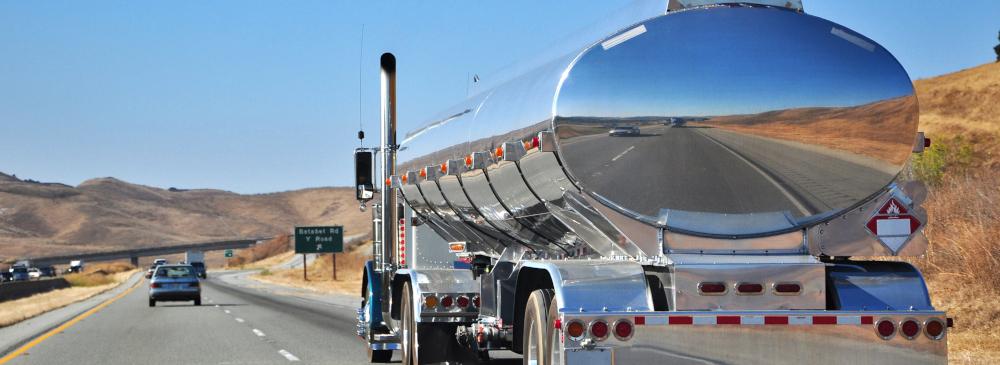
Several factors increase the severity and complexity of tanker truck accidents:
- High center of gravity: Tanker trailers are top-heavy by design, making them more prone to rollovers, especially during sharp turns or sudden maneuvers.
- Chain-reaction collisions: In the event of an explosion or fire, hazardous materials can ignite secondary crashes, affecting vehicles well beyond the initial point of impact.
- Evacuation and containment challenges: Hazardous material spills often require large evacuation zones and specialized cleanup, delaying emergency response and increasing the risk to the public.
- Extended stopping distances: Fully loaded tankers require significantly more space to stop than other vehicles, heightening the danger in congested traffic or sudden slowdowns.
Why Legal Representation Matters in Tanker Truck Accident Claims
The above combined factors make tanker truck crashes among the most dangerous on the road, often resulting in wide-scale disruption, serious injuries, or fatalities. As noted, regulatory noncompliance, whether related to vehicle design, cargo handling, or driver training, can be a key element in establishing liability.
Given the complex safety regulations, multiple potential defendants, and severity of injuries involved in tanker truck accidents, it is critical to consult with an experienced truck accident attorney at D. Miller & Associates, PLLC, as soon as possible. Early legal intervention helps preserve key evidence, assess regulatory violations, and protect your rights in pursuing compensation.
How Houston’s Industrial Traffic Amplifies the Danger
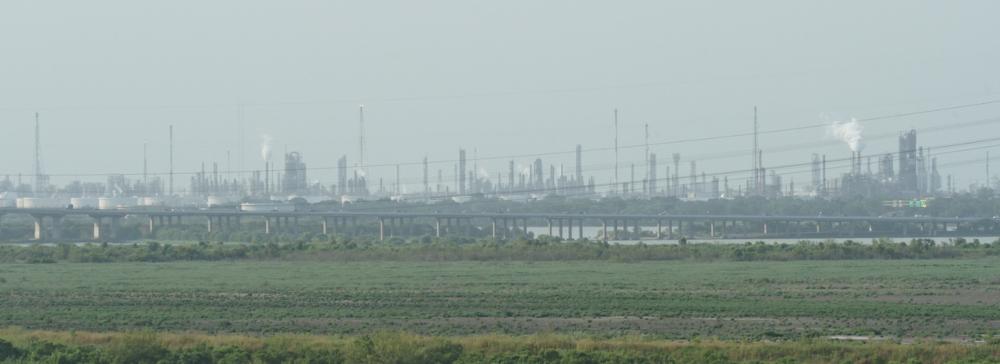
While tanker truck crashes are always serious, the risk is even greater in Houston, a key hub for oil, gas, and chemical transport. The region’s continuous flow of industrial freight, combined with heavy commuter traffic, creates a uniquely dangerous environment for motorists.
Houston’s major freight corridors are busy at all times with tanker trucks hauling refinery output, drilling supplies, and industrial chemicals, including:
- Interstate 10 (I-10), Interstate 45 (I-45), and Interstate 69 / U.S. Highway 59 (I-69 / US-59) are daily routes for often overworked tanker truck drivers.
- Meanwhile, State Highway 225 (SH 225 / La Porte Freeway) serves as a direct link between petrochemical plants and the rest of the city, further increasing the number of high-risk trucks on local roads.
- The Port of Houston adds another layer of traffic intensity. As one of the busiest energy ports in the world, it sends thousands of industrial loads into surrounding communities every week. This volume increases the likelihood of interactions between oversized tankers and passenger vehicles.
These heavily trafficked routes are vital to Houston’s industrial economy, but they also heighten the risk of accidents. Motorists sharing the road with these vehicles face increased exposure to the dangers of hazardous cargo, underscoring the need for strict compliance with safety regulations and prompt legal action when crashes occur.
Who Is Liable? Potential At-Fault Parties in Tanker Truck Accidents

Determining fault in a tanker truck accident often requires a comprehensive investigation, as multiple parties may share responsibility depending on the circumstances:
- The tanker truck driver, for negligent conduct such as speeding, distracted driving, fatigue, or failure to comply with hazardous material handling procedures.
- The trucking company, particularly when poor vehicle maintenance, inadequate driver training, regulatory violations, or unrealistic delivery schedules are involved.
- The cargo loading company or third-party logistics provider, if improper loading or unsecured cargo contributed to instability or a spill.
- The manufacturer of the cargo or chemical, if the hazardous material was improperly classified, packaged, or labeled, increasing the risk of harm.
- The owner of the cargo may bear liability for failing to disclose or manage the risks associated with the transported material.
- Vehicle or parts manufacturers in cases involving mechanical failure due to defective components of the tanker.
- Maintenance contractors, if negligent repairs or inspections led to equipment failure.
- Other motorists, whose reckless or negligent driving may have initiated or worsened the incident.
- Government entities or road contractors, if poor road conditions, lack of signage, or unsafe construction zones contributed to the crash.
Tanker accidents involving hazardous materials may also trigger cleanup obligations, federal investigations, or environmental enforcement actions, significantly increasing the scope and complexity of liability.
Injured in a Houston Tanker Truck Accident? Schedule a Free Consultation Today
With 66+ years of combined experience, more than 36,000 cases won, and over $650 million in verdicts and settlements for injured clients, our truck accident law firm at D. Miller & Associates, PLLC, has built a strong reputation for delivering results. Schedule a free consultation today. Since we work on a contingency fee basis, you will not pay attorney’s fees unless we win compensation for your injuries.