

Amazon-branded vans and trucks are a familiar sight on streets throughout Texas. When one of these vehicles is involved in a crash that injures an innocent person, however, Amazon is often quick to distance itself from liability.
If you or someone close to you has been injured in a crash involving an Amazon truck or van, D. Miller & Associates is here for you. Our Amazon truck accident attorneys have the skill and experience to untangle the complex web of liability issues that arise in these claims and help you pursue maximum compensation for your injuries.

How Amazon Shields Itself From Liability
Businesses have always had an interest in avoiding liability, but the advent of ecommerce and the gig economy have provided them with new methods of protecting their bottom lines from plaintiff’s claims.
Delivery Service Programs
A key aspect of Amazon’s business model is outsourcing their home delivery operations to separate legal entities called delivery service programs (DSPs).
While your deliveries arrive in Amazon-branded trucks, it is actually the DSP that owns the vehicles, hires the driver, and carries its own liability insurance.
This business structure is designed to separate Amazon from the day-to-day risks associated with delivery operations, including personal injury claims involving DSP-owned trucks and vans. But recent litigation has called into question the legitimacy of this separation, and whether Amazon is truly absolved of liability in accidents involving vehicles with its name and logo emblazoned on the side.
When a delivery driver causes an accident and injures someone, the question regarding Amazon’s liability is straightforward: Is the DSP an independent contractor, or an employee in everything but name?
The Illusion of Independence
Companies cannot simply label a service provider an “independent contractor” while treating them as full-fledged employees. In the lawsuits contesting Amazon’s DSP model, plaintiffs argue that Amazon exercises a degree of control over its DSPs that is inconsistent with a true independent-contractor relationship, including:
- The delivery routes assigned to drivers
- The delivery schedules and performance metrics drivers must meet
- The technology and software used to monitor deliveries
- The uniforms, branding, and appearance standards imposed on drivers
- The vehicles used to make deliveries and the specifications those vehicles must satisfy
- The training and operational procedures drivers are required to follow
- The hiring, discipline, and termination decisions Amazon can influence through its contractual requirements and performance standards
- The day-to-day monitoring of driver performance through Amazon’s logistics systems
Taken together, these factors generally point toward an employment-like relationship rather than a genuinely independent contractor arrangement.
Vicarious Liability
These day-to-day operational details become especially relevant in the context of a truck accident injury claim in which the injured person has suffered and needs every potential source of compensation the law allows. This is where the concept of vicarious liability comes into play.
Under this legal doctrine, an employer may be held responsible for the negligent actions of an employee while that employee is acting within the scope of employment.
If a delivery driver is truly an independent contractor and sets their own schedule, routes, and methods of work, then vicarious liability probably doesn’t apply. If, on the other hand, the driver is independent in name only, the plaintiff may have a claim against the parent company, like Amazon.

Why Vicarious Liability is Important for Injury Victims
The concept of vicarious liability, also known as respondeat superior, is important to injury victims because it opens sources of compensation that may otherwise not be available in a personal injury claim.
Injury victims often face significant hardships, including medical bills, wage loss, and disability, that may last for years and come with high price tags. When compensation is left off the table, the injured person may lack the means of meeting these demands and be left without a crucial financial lifeline.
Vicarious liability can significantly affect an injured person’s ability to recover compensation, like in these examples.
Example A: A Truly Independent Delivery Driver
A delivery truck driver is texting while driving and collides with another vehicle, injuring the other driver and causing her serious harm, including medical expenses, lost wages, and long-term pain and suffering.
The truck driver is truly independent and carries only a personal commercial auto insurance policy with minimal coverage limits. In many cases, that policy may be quickly exhausted by hospital bills alone, leaving the injured victim unable to recover the full value of her losses.
Another option may be going after the driver’s personal assets, but they may not have any, or what they do have may be worth far less than the injury victim needs to recover financially and live a fulfilling life.
Example B: An Employee Delivery Driver
In this example, the truck driver is the same, and so are the victim and her injuries, but the driver is employed by a large corporation like Amazon or FedEx.
In this scenario, the injured victim may be able to pursue a claim not only against the driver, but also against the employer under the doctrine of vicarious liability. Because large corporations typically carry substantial liability insurance and have significantly greater financial resources, the injured victim is far more likely to obtain compensation that fully accounts for the hardships she faces today and will continue to face in the months and years to come.
In either example, the injured person can benefit significantly from consulting with an experienced Texas truck accident lawyer. A skilled attorney can work to determine the true nature of the relationship between the driver and the parent company, and help you pursue all available sources of compensation.
When Delivery Expectations Create Danger on the Road
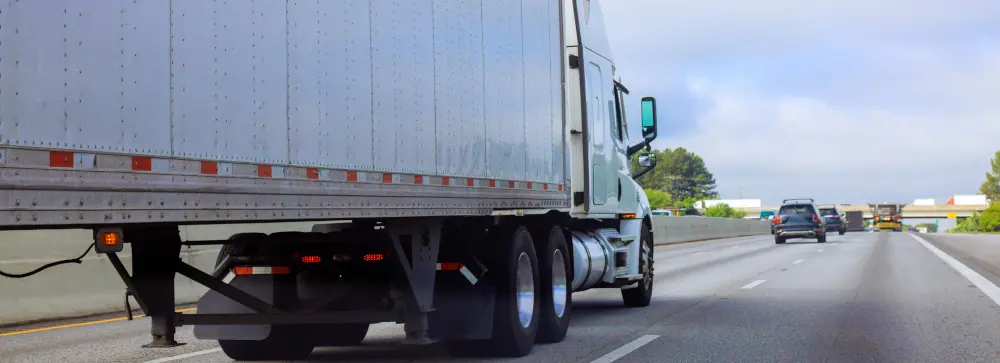
The faster delivery drivers work and the more packages they deliver, the more their employer profits. This paradigm can create a dangerous situation on the road when the driver is under constant pressure to deliver more in less time.
In a personal injury claim involving truck accident liability, this pressure can form the basis of a claim against the parent company. If their expectations compelled the driver to ignore safe driving procedures, or drive while fatigued, the plaintiff may have a claim against that company.
Amazon Flex Drivers
Amazon Flex drivers occupy a different legal category than traditional delivery employees, which can change how liability is handled after an accident. Unlike DSP drivers who work for delivery contractors and often operate branded Amazon vehicles, Flex drivers use their own cars and accept jobs through an app-based system. Because they have more control over their hours and methods, the independent classification of Flex drivers typically has a stronger legal basis than it does for DSP drivers.
The Flex classification also creates a more complicated insurance picture. In most cases, the driver’s personal auto insurance is the primary coverage, but those policies often limit or exclude accidents that occur while the vehicle is being used for delivery work.
Amazon may provide contingent liability coverage, but only when the driver is actively on a delivery route and usually as a secondary source of coverage. This layered structure can leave gaps between insurers, making it harder for injury victims to identify a clear, fully responsible source of recovery.
Early Action Is Important
If you were injured in an Amazon truck crash, the sooner you speak with a knowledgeable personal injury lawyer, the better.
The statute of limitations for truck accident claims in Texas is generally two years. If you let this deadline pass, you will forfeit your right to compensation.
In an injury claim involving an Amazon vehicle, early action is even more important because Amazon controls much of the evidence that can help support your claim, from the camera systems installed in Amazon trucks to data on the apps that control drivers’ routes. The longer you wait to act, the greater the chances of this evidence getting lost.
Schedule Your Free Consultation

Speak with an experienced Amazon delivery accident attorney at our firm before making any important decisions about your claim. You may be entitled to more compensation than you think. You can reach our Houston law firm online or by telephone at 713.766.0341. Your initial consultation is free and confidential.