

Losing a family member in a collision with a commercial truck brings grief that no legal process can fix. But Texas law gives certain surviving family members the right to hold a negligent driver or trucking company accountable, and a fatal truck accident lawyer from D. Miller & Associates, PLLC can walk you through how that process works.
Keep reading to learn the legal rules that apply specifically to truck-related deaths in Texas, including who can file a claim, how survival actions differ from wrongful death claims, and what deadlines apply.

What Texas Law Considers a Wrongful Death
Texas Civil Practice and Remedies Code Section 71.002 defines a wrongful death as one caused by another party’s “wrongful act, neglect, carelessness, unskillfulness, or default.”
Texas law gives certain surviving family members the right to bring a wrongful death claim against whichever party (or parties) caused the crash. In a trucking case, more than one party may share responsibility, such as:
- The truck driver if fatigue, distraction, or another lapse behind the wheel contributed to the crash
- The trucking company, if it pressured drivers to violate hours-of-service rules or skipped required vehicle inspections
- A vehicle or parts manufacturer if a defective component played a role
- A maintenance contractor, if poor upkeep led to a mechanical failure
- A cargo loading company, if improperly secured freight contributed to the wreck
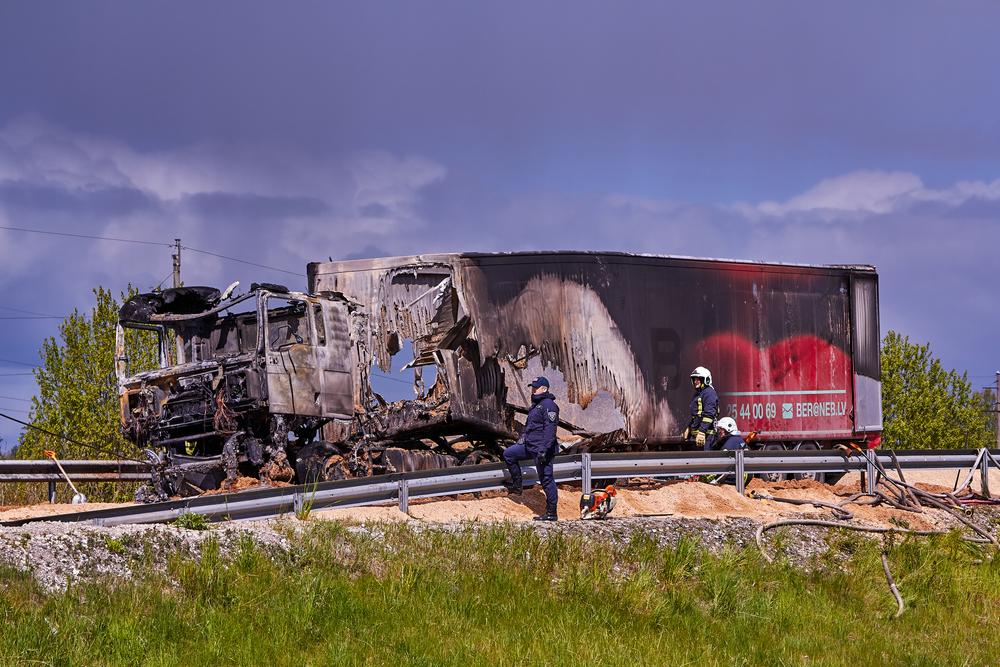
Texas’s Wrongful Death Beneficiaries
Texas law restricts who can pursue a wrongful death claim to:
- The surviving spouse of the deceased
- Children of the deceased (including adopted children)
- Parents of the deceased
Texas law doesn’t extend that right to siblings, grandparents, or other extended family members.
If the deceased left behind a spouse, child, or parent, those individuals hold the exclusive right to sue during the first three months after the death. After that point, the executor or administrator of the estate may file on behalf of the family unless the eligible family members object.
Survival Claims
Texas also survival claims, a second, distinct cause of action under Section 71.021 of the Civil Practice and Remedies Code.
While a wrongful death claim belongs to the surviving family members, a survival claim belongs to the deceased person’s estate, and it covers losses the victim experienced between the crash and death.
Families pursuing a truck accident wrongful death lawsuit may bring both claims together, since they compensate for different things and involve different parties as plaintiffs.
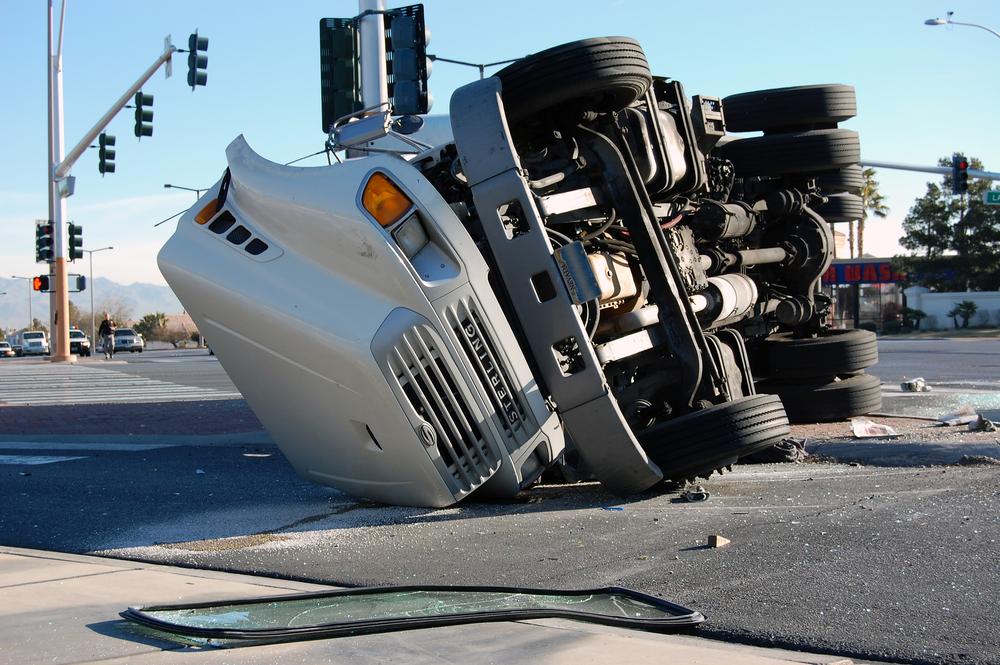
The Statute of Limitations for a Texas Wrongful Death Claim
Texas law generally gives families two years from the date of death to file a wrongful death lawsuit, not two years from the date of the crash. When a victim survives for days, weeks, or months after a truck accident before passing away, this distinction can shift the filing deadline significantly.
A couple of exceptions can also extend or pause this deadline. For example, courts sometimes apply the discovery rule when a family doesn’t immediately learn that negligence caused the death, and Texas law tolls (pauses) the deadline for claims involving a minor child until that child turns 18.
Because these exceptions involve specific facts and legal arguments, families should discuss their timeline with a fatal truck accident attorney in Texas at D. Miller & Associates rather than assume a deadline has passed.
Common Causes of Fatal Truck Crashes in Texas
Several recurring factors show up again and again in fatal truck accident cases, including:
- Driver fatigue from long hours or violations of federal hours-of-service rules
- Underride collisions, where a passenger vehicle slides under the back or side of a trailer
- Improperly secured cargo that shifts and causes a rollover or jackknife
- Brake failures tied to deferred or skipped maintenance
- Distracted driving, including phone use, dispatch communications, or in-cab technology
An underride accident deserves particular attention because these crashes often involve catastrophic or fatal injuries, even at relatively low speeds, due to how a passenger vehicle’s safety structure interacts with a trailer’s undercarriage.
Texas’s busiest freight corridors, including I-10, I-35, and I-20, see a disproportionate share of these fatal crashes simply because of the sheer volume of commercial truck traffic moving through the state every day.

How Fatal Truck Accidents Differ From Other Wrongful Death Cases
A collision between a passenger vehicle and an 80,000-pound commercial truck just doesn’t play out like a typical car accident, because their size and weight differences often lead to catastrophic injuries with little room for recovery. The forces involved can shape how investigators and medical examiners determine the cause of death.
Truck accident cases also tend to involve more potential defendants than a standard car accident claim, since responsibility could fall on multiple parties depending on what caused the crash.
The Federal Motor Carrier Safety Administration’s trucking regulations play a role in how a Texas truck accident attorney builds a wrongful death case, since these rules cover everything from how many hours a driver can stay on the road to how a carrier inspects and maintains its fleet.
Punitive Damages
Most wrongful death and survival claims focus on compensating the family for actual losses. But Section 41.003 of the Texas Civil Practice and Remedies Code allows juries to award exemplary (punitive) damages in cases involving gross negligence, malice, or fraud, and a jury must reach this conclusion by clear and convincing evidence.
In trucking cases, signs of gross negligence usually trace back to falsified logbooks, a driver who never should’ve been on the road, or missing safety gear like underride guards could all support a claim for exemplary damages. Since this standard goes well beyond ordinary negligence, a company’s internal practices and decisions often end up front and center.
Survival Damages
While wrongful death damages address the losses experienced by surviving family members, survival damages address what happened to the victim between the crash and their death, such as:
- Medical expenses incurred during treatment
- Lost wages or earning capacity for any time the victim survived before passing
- Compensation for the pain and suffering the victim experienced.
Establishing survival damages often depends on medical records, witness accounts, and testimony from medical providers about a victim’s level of consciousness and suffering, even for a relatively brief period. Families don’t need to choose between pursuing wrongful death damages and survival damages. Texas law allows both claims to proceed together when the facts support them.

Legal Help Matters
Every fatal truck accident raises its own set of questions about liability, deadlines, and the parties involved. Our fatal truck accident attorneys in Texas can help:
- Review the details of the crash to identify who may share responsibility
- Determine which statutory beneficiaries may be eligible to file a claim
- Look into whether survival damages or exemplary damages might apply
- Explain the relevant deadlines and what steps come next
At D. Miller & Associates, our Houston-based team has worked with families across Texas who are navigating the aftermath of a fatal truck accident. Losing someone this way often comes with more questions than answers, and we’re here to help you sort through what comes next, one step at a time.
Talk to a Texas Attorney About a Wrongful Death Truck Accident Claim
If your family has lost someone in a truck accident anywhere in Texas, reaching out for a conversation about your options costs nothing and may help you understand where things stand. No family should have to face this alone, and we’re here to help however we can.
Contact us to schedule a free, no-pressure consultation.