
After a truck crash in Texas, Trucking insurance in Texas can shape how injury claims are handled. But trucking insurance can be complicated, and victims face an uphill battle in finding and recovering all the coverage that may be available to them.
At D. Miller & Associates, PLLC, we have decades of experience handling truck accident insurance claims for people injured in accidents throughout Texas. We help clients understand how trucking insurance requirements apply under both federal regulations and Texas law, including what coverage trucking companies must carry for interstate and intrastate operations.
Understanding these trucking insurance requirements is often the key to uncovering all available sources of compensation after a serious crash. When multiple policies or responsible parties are involved, knowing what coverage should exist—and how it can be accessed—can make a significant difference in the outcome of a claim and the recovery available to injured victims.
Trucking Insurance Minimums, Including Interstate and Intrastate Travel

The minimum commercial trucking insurance requirements for trucks in Texas depend upon the type of cargo, whether it is an interstate or intrastate carrier, and the vehicle’s Gross Vehicle Weight Rating (GVWR), or the maximum total combined weight of the truck, cargo, passengers, fuel, and other items.
Based on these factors, insurance minimums include:
- $300,000 minimum liability coverage: Applies to commercial motor vehicles operating only within Texas with a GVWR of less than 26,000 pounds and that are carrying only household goods; also applies to vehicles travelling between states carrying non-hazardous materials with a GVWR of less than 10,001 pounds
- $500,000 minimum liability coverage: Applies to trucks with a GVWR of less than 26,000 pounds carrying only general freight and travelling only within Texas
- $750,000 minimum liability coverage: Common federal baseline for interstate trucking operations for trucks weighing 10,001 pounds or more and carrying non-hazardous materials
- $1,000,000 minimum liability coverage: Required for trucks carrying non-hazmat oil or petroleum products
- Up to $5,000,000 minimum coverage: Required for trucks transporting certain hazardous materials or other highly regulated cargo categories due to increased risk of catastrophic damage
These trucking company insurance requirements set the baseline coverage that must be in place, but they do not automatically determine what compensation is available after a crash. In a serious injury claim, an experienced truck accident lawyer in Texas can help identify all applicable coverage and pursue the full compensation available under the law.
Federal and State Regulations

A key factor in determining Texas commercial truck insurance requirements is whether the truck operates exclusively within Texas or travels across state lines.
When trucks are intended for interstate travel, federal guidelines apply, which can affect the amount of insurance coverage available to injured victims after a truck accident.
In general, trucking companies that operate across state lines are subject to regulations established by the Federal Motor Carrier Safety Administration (FMCSA), while companies operating solely within Texas must comply with requirements enforced by the Texas Department of Transportation (TxDOT).
In some cases, both federal and Texas regulations may apply to the same trucking operation. When this occurs, the carrier is generally required to maintain the higher level of insurance coverage. Determining which regulations apply can be an important part of identifying all available insurance coverage after a serious truck accident.
What Types of Insurance Are Trucking Companies Required to Carry?
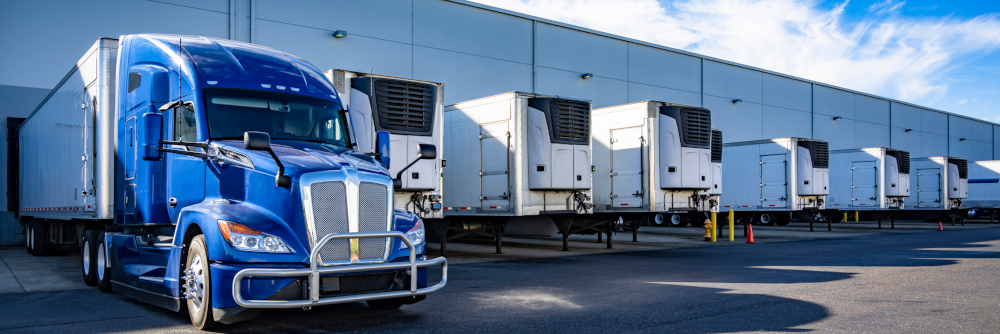
Commercial trucking companies are typically required to carry several types of insurance coverage designed to protect the public, drivers, cargo, and business assets in the event of a crash, such as:
- Liability insurance covers bodily injury and property damage caused by a truck driver or trucking company that is at fault for an accident. This is the primary coverage used in most truck accident claims.
- Cargo insurance pays for damage to or loss of the freight being transported if cargo is destroyed, stolen, or damaged in a collision.
- Physical damage coverage covers repairs or replacement costs for the commercial truck itself after an accident, fire, theft, or other covered event.
- Occupational accident insurance provides benefits to independent contractor drivers who are injured while working, including medical expenses and lost income.
- Workers’ compensation insurance covers medical treatment and wage benefits for trucking company employees injured on the job.
Understanding these trucking insurance requirements is often the key to uncovering all available sources of compensation after a serious crash. Obtaining and reviewing the accident report early on, along with knowing what coverage should exist and how it can be accessed, can make a significant difference in the outcome of a claim and the recovery available to injured victims.
What the MCS-90 Endorsement Means for Accident Victims

The Motor Carrier Safety 90 (MCS-90) endorsement is a special add-on to a trucking insurance policy that matters a lot when someone is hurt in a truck crash.
In simple terms, it’s a policy endorsement designed to make sure a trucking company’s insurance complies with safety and financial responsibility rules and applies broadly enough when accidents happen during commercial operations.
For accident victims, the MCS-90 can be important because:
- It can expand coverage access: The endorsement may extend protection beyond just the named trucking company to include drivers operating under its authority, such as leased or contracted drivers.
- It can limit insurance “escape hatches”: Insurers sometimes try to deny claims based on exclusions or technical policy wording. The MCS-90 endorsement can reduce those gaps by reinforcing required coverage for motor carrier operations.
- It can help ensure minimum financial responsibility: It supports compliance with federal and state trucking insurance standards, increasing the likelihood that enough coverage is available to pay injury claims.
- It may strengthen recovery options: In a serious crash, it can open additional insurance pathways for medical bills, lost wages, and other damages.
In short, the MCS-90 endorsement can act like a safety net layered over a trucking policy, helping ensure injured people aren’t left chasing an empty promise of coverage.
How Trucking Insurance Requirements Affect Your Injury Claim

These details about insurance requirements are only part of the picture. If you were injured in a truck accident in Texas, what really matters is your compensation, and how you recover financially from medical bills, lost income, and long-term care needs.
This is why it is so important to work with a trucking accident lawyer who understands the laws governing truck insurance in Texas, and the sources of coverage available to accident victims.
Truck insurance policies are rarely straightforward. Multiple insurers, layered coverage limits, and technical policy language can all affect how much money is available after a crash. Without a full investigation, important coverage may be missed or wrongfully denied.
At the end of the day, insurance requirements exist on paper, but your recovery depends on how those rules are applied in real life. The goal is not just understanding the coverage that should exist but also uncovering every dollar of coverage that does exist for your claim.
What Happens When a Trucking Company Is Underinsured or Uninsured?

When a trucking company doesn’t carry enough insurance—or any at all—recovering full compensation can become more complicated, but not impossible. In underinsured cases, the available policy limits may not fully cover medical bills, lost wages, and other damages, leaving a gap victims must try to close through other avenues.
One option is to pursue the trucking company directly in a lawsuit, though recovery may depend on whether the company has assets beyond insurance. Another approach is identifying additional liable parties, such as drivers, cargo loaders, maintenance providers, or brokers who may share responsibility for the crash.
In some cases, excess or umbrella insurance policies, or your own uninsured/underinsured (UM/UIM) policy may also apply, providing additional layers of coverage beyond the primary policy limits.
An attorney who is experienced handling claims involving truck insurance in Texas can help you explore these avenues and more, so you have the best possible chance of achieving a full financial recovery.
Work With a Law Firm That Will Identify All Sources of Insurance Coverage

At D. Miller & Associates, we are dedicated to helping people injured in trucking accidents maximize their financial recovery. We begin by identifying all liable parties, exploring all potential sources of compensation, and digging into every layer of insurance coverage requirements to ensure no available policy is overlooked.
When you are ready to discuss your injury claim with a skilled Texas truck accident lawyer, we will be here for you. Contact us today to arrange your free consultation.