

Federal and state regulations place strict requirements on the safe loading and balancing of semi-truck loads. However, truck drivers, trucking companies, and other parties often fail to heed these warnings, placing innocent lives on the road at risk.
At D. Miller & Associates, we stand up for the rights of people injured in unsecured load accidents on streets and highways throughout Texas. We have the investigative resources to determine how and why a truck was improperly loaded, and the legal skill to help the injured recover maximum compensation for their medical bills, wage loss, and other hardships.
What Is an Unsecured Load Accident?
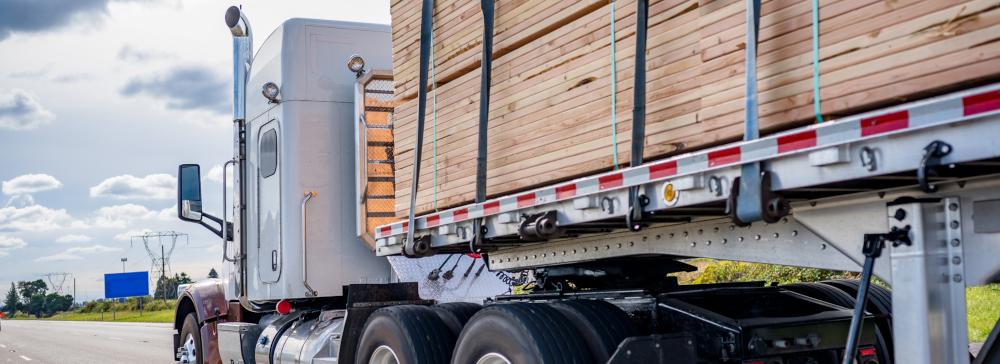
An unsecured load accident occurs when improperly secured cargo falls off the back of a truck and either strikes a trailing vehicle or forces another driver into a sudden, evasive maneuver. Some of the most common reasons unsecured load accidents happen include:
- Improper or insufficient tie-downs that fail to keep cargo in place
- Failure to properly secure individual items, allowing them to shift or fall from the trailer
- Overloaded or unevenly stacked cargo that becomes unstable while the truck is moving
- Worn, damaged, or defective securing equipment such as straps, chains, or tarps
- Inadequate inspection of cargo before departure or during stops
- Rushed loading practices that leave freight unsecured
An experienced truck accident lawyer in Texas can investigate the cause of your accident to identify all liable parties and help you pursue the full financial recovery you need.
Were State or Federal Trucking Regulations Violated?

Truck cargo securement is governed primarily by the Federal Motor Carrier Safety Administration (FMCSA), which sets nationwide safety standards for how freight must be loaded, restrained, and inspected during transport. Texas law also sets standards that come into play when an unsecured load accident occurs on Texas roads.
After a truck accident involving an unsecured load, these rules can become the backbone of a negligence claim.
Required Tie-Downs and Securement Standards
Truck drivers and loading crews must ensure cargo is properly restrained using appropriate securement devices such as straps, chains, and blocking systems. The number and strength of these devices depends on the weight, size, and type of cargo the truck is hauling.
Trucks must also meet loading requirements such as:
- Cargo must be immobilized or braced to prevent movement in any direction
- Loose or shifting cargo must be corrected before departure
- Load distribution must not compromise vehicle stability
Failure to follow these standards can result in serious roadway hazards like rollover risk or cargo falling onto the road in the path of oncoming traffic.
Pre-Trip Inspections Are Mandatory
Before a truck begins its journey, the driver is required to conduct a thorough pre-trip inspection of both the vehicle and its cargo securement. Before hitting the road, truck drivers must verify that:
- All tie-downs are tight and properly positioned
- Cargo has not shifted during loading
- Securement devices like straps or tarps are not worn or damaged
If a driver finds any defect in the securing of the load, he or she must correct it before entering the roadway.
In-Route Inspection Rule Every 150 Miles or 3 Hours
Federal regulations also require drivers to periodically verify that cargo is secured during transit. Drivers must conduct inspections:
- Within the first 50 miles of a trip
- Then every 150 miles traveled, or every three hours of driving, whichever comes first
These in-route checks are critical because vibration, braking, and bumps in the road can loosen even properly secured loads over time.
Violations and Negligence Per Se
When a trucking company or driver violates federal cargo securement regulations, those violations can serve as strong evidence of negligence. In many personal injury cases, proving a regulatory breach may establish negligence per se, meaning the violation itself can be treated as proof of fault without needing to separately prove the standard of care.
Legal Impact on Your Claim
If your attorney can pinpoint specific breaches of loading regulations that led to your accident, it may significantly strengthen your case by directly linking regulatory violations to the crash. This can increase the likelihood of establishing liability and may also enhance the potential for full compensation for your injuries and losses.
Building a Strong Injury Claim After an Unsecured Load Accident
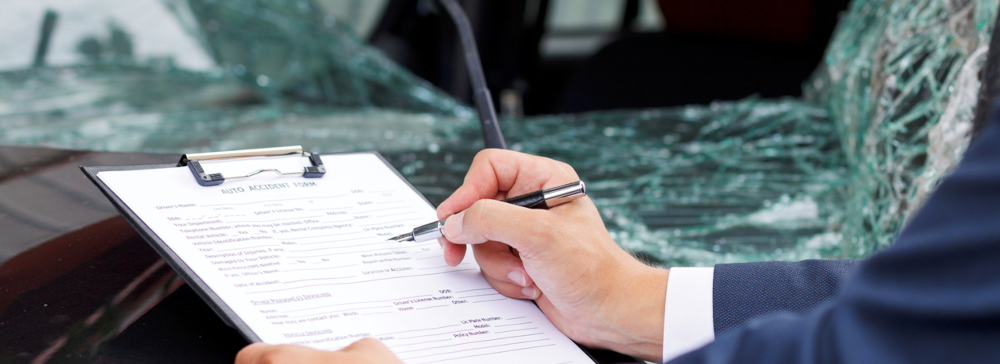
What matters most after an accident caused by an unsecured load is the well-being of the injured, medically and financially. A personal injury lawyer can help protect the financial interests of the injured by:
Uncovering the Facts
This step involves gathering critical evidence to determine exactly how and why the unsecured load accident occurred. An attorney may find crucial evidence in:
- Driver logs
- inspection records
- Maintenance reports
- Loading documentation
- Electronic data from the truck
Witness statements, photos, and surveillance footage can also help establish whether safety rules were followed or ignored before the crash.
Building a Strong Case
Once the facts are established, the focus shifts to proving liability and damages. This includes connecting regulatory violations or unsafe practices directly to the accident and demonstrating how they caused your injuries. Expert analysis, accident reconstruction, and medical documentation are often used to strengthen the claim and support the full value of your losses.
Exploring All Potential Sources of Compensation
Because of the unique nature of unsecured load accidents, an attorney must explore all potential sources of liability, including people and businesses who had contact with the truck long before it hit the road, such as:
- Loading crews or third-party shippers responsible for improperly securing or distributing cargo before transport
- Maintenance providers or inspection contractors who fail to identify or correct unsafe loading or securement conditions
- Manufacturers of straps, chains, barriers, and other securing equipment
- Trucking companies that fail to implement and enforce proper loading procedures
An attorney who is familiar in trucking company insurance requirements can place maximum pressure on the carrier or other at-fault party to help you pursue the full value of your injury claim.
We Know Truck Accidents in Texas

With more than $650 million obtained in verdicts and settlements, our law firm knows how to maximize compensation for victims of unsecured load truck accidents and other forms of negligence on Texas roads. When you are ready to discuss your injury claim and potential compensation, our lawyers and legal team will be here for you. Contact us today to arrange your free consultation.