

Midland is virtually synonymous with the oil industry, given its central location near major oil fields in the Permian Basin. It is also home to numerous oil‑field services companies and a large number of heavy, specialized trucks that travel to and from local fields and refineries across Texas. Every driver on the road understands the potential danger of these vehicles.
Insurance companies and commercial carriers often fight to limit liability, especially in high-stakes cases involving tanker trucks. At D. Miller & Associates, PLLC, we’ve recovered more than $650 million on behalf of injury victims and have won 36,000+ cases. Yet, we handle each case as if it were our only case. If you or a loved one was injured in a trucking accident in Midland, TX, we are prepared to be your Legal Heroes and compassionate allies.
Types of Oilfield Trucks Around Midland
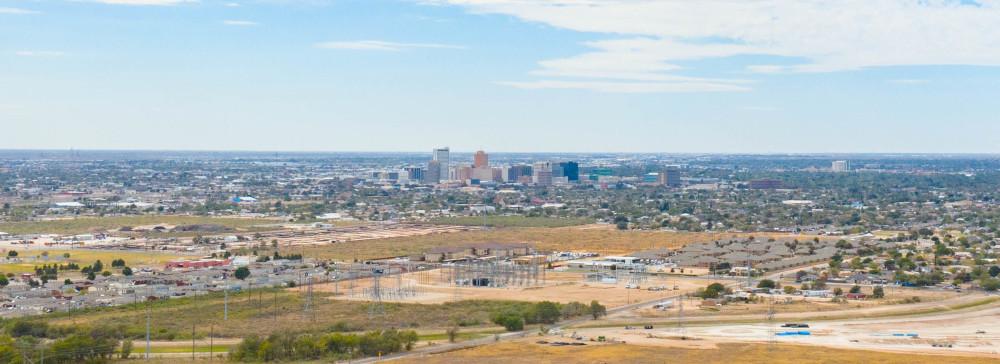
Motorists in and around the Permian Basin must contend with the large number of trucks entering and exiting oil fields. There is no downtime for these vehicles, as oilfields operate 24/7. While oil tanker trucks are the most common, several other types are commonly involved in oilfield operations, including:
- Oilfield Vacuum Trucks. Used to clean storage tanks, contain spills, haul hazardous waste, and extract fluids or solids from pipelines and drill sites. Vacuum trucks have revolutionized oilfield maintenance by streamlining tasks that once required significant time and labor.
- Oilfield Winch Trucks. These heavy-duty vehicles are used to transport and position oilfield equipment. Winch trucks are capable of relocating large components, including entire drilling rigs, making them essential for site setup and teardown.
- Frac Sand Trucks. These trucks transport the silica sand used in hydraulic fracturing (fracking). The sand is mixed with water and chemicals to create a high-pressure slurry, which is then pumped into the well to fracture underground rock and increase the flow of oil and gas. Because fracking requires millions of gallons of water and sand per well, a single well may involve between 500 and 1,500 trips during the operation.
Key Midland Roads Traveled by Oilfield Trucks
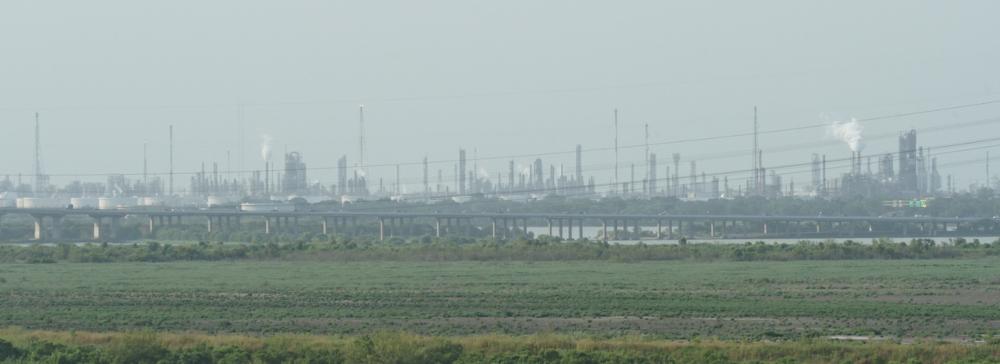
Several major roads in and around Midland, Texas, are routinely used to support operations in the Permian Basin. These roads are vital for the industry but present unique challenges for all motorists due to their design, wear, and traffic volume:
- FM 1788. A critical connector between Midland and Odessa, FM 1788 runs directly through industrial zones and oilfield service areas. It’s a standard route for heavy trucks accessing well sites and commercial yards.
- State Highway 191. This east–west corridor links Midland and Odessa and is frequently traveled by oilfield vehicles moving between facilities, yards, and refineries. Traffic congestion is common, especially during peak work hours.
- State Highway 349. Running north–south through Midland County, SH 349 supports significant oilfield activity and includes bypass routes that accommodate oversized and heavy commercial loads.
- Loop 250. Serving as a loop around Midland’s north and east sides, Loop 250 carries a mix of local traffic and industrial vehicles. Portions of the loop have been impacted by truck wear and high volumes of commercial use.
- Interstate 20 (I-20). A major east–west interstate, it passes along the southern edge of Midland. Though designed for long-haul freight, some stretches are narrow, with limited shoulders and tight curves, conditions that can be especially risky when shared with tanker trucks and other oversized oilfield vehicles.
Over time, many of these roadways, especially access roads and secondary connectors, have experienced significant surface degradation due to continuous heavy truck traffic. Potholes, uneven pavement, and limited infrastructure improvements further contribute to the hazards motorists face daily.
The Unique Dangers of Tanker Truck Accidents

Tanker trucks are subject to strict federal oversight by the Federal Motor Carrier Safety Administration (FMCSA) and the Pipeline and Hazardous Materials Safety Administration (PHMSA). These agencies regulate everything from driver training and licensing to tank design, cargo handling, and emergency response protocols, all aimed at minimizing the risk of catastrophic accidents.
Despite these safeguards, when tanker trucks are involved in accidents, the consequences can be far more dangerous than those of a typical commercial vehicle crash. Here’s why:
- Hazardous or Flammable Cargo. Tanker trucks often transport gasoline, crude oil, chemicals, or other dangerous materials. In the event of a crash, this cargo can ignite, explode, or release toxic fumes, significantly raising the risk of severe injuries or fatalities.
- Explosion and Fire Potential. A tanker’s pressurized contents can lead to catastrophic outcomes in a collision. A rupture may trigger a fire or even a BLEVE (boiling liquid expanding vapor explosion), especially if flammable vapors are exposed to a spark.
- Liquid Surge Instability. When not fully loaded, liquid cargo can shift violently inside the tank. This internal movement (called “surge” or “sloshing”) affects the tanker’s stability, increasing the chance of a rollover if the vehicle is struck or forced to swerve.
- High Center of Gravity and Weight Distribution. Tankers are tall, heavy vehicles with uneven weight distribution. In a collision, these features make them more prone to tipping or jackknifing, which can create dangerous multi-vehicle pileups.
- Toxic Exposure Risk. In accidents involving chemical or industrial liquids, even survivors of the initial crash may suffer harm from inhalation or skin contact with hazardous substances, posing dangers to both victims and first responders.
- Complex Cleanup and Delayed Emergency Response. Tanker spills often require specialized HAZMAT crews, leading to longer response times, road closures, and a heightened risk of secondary accidents in surrounding traffic.
Common Causes of Oilfield Truck Accidents

The following are some of the most frequent contributing factors:
- Distracted Driving. Whether texting, adjusting equipment, or using navigation systems, even the slightest lapse in attention can lead to serious collisions.
- Driver Fatigue. Oilfield truck drivers may be exempt from standard federal Hours of Service limits and often work shifts of up to 20 hours, significantly increasing the risk of drowsy driving accidents.
- Inexperienced or Unqualified Drivers. High demand for drivers can lead to negligent hiring practices, including inadequate training, minimal background checks, and a lack of familiarity with local road conditions.
- Improperly Loaded Cargo. Shifting or unbalanced loads can cause rollovers or jackknife accidents, especially when trucks take turns or brake suddenly.
- Poor Truck Maintenance. To meet demand, companies may keep aging trucks on the road without adequate inspection, often ignoring issues with brakes, tires, or steering systems.
- Dangerous Road Conditions. Many oilfield routes fall under state jurisdiction and have deteriorated due to heavy truck traffic. Potholes, debris, and uneven pavement increase the risk of crashes.
- Low Visibility. Dust kicked up by constant truck movement, combined with sudden West Texas dust storms, often reduces visibility, making it harder to see smaller vehicles and react in a timely manner.
Who Can Be Held Liable?
Liability in an oilfield truck accident can extend beyond the driver. Depending on the circumstances, responsible parties may include the driver’s employer, especially if there was negligent hiring, training, or supervision. Oilfield or energy companies may also be liable if their scheduling demands, contractor oversight failures, or routing decisions contribute to unsafe driving conditions or increase the risk of crashes on public roads.
Maintenance contractors can be held accountable for mechanical failures caused by poor repairs or skipped inspections. Cargo loading companies may also be at fault if improper loading makes the truck unstable. In some cases, liability may also extend to vehicle or parts manufacturers for defects, or to government entities if poor road conditions or design contributed to the crash.
How a Midland Oilfield Truck Accident Lawyer at D. Miller & Associates Can Help

If you or someone close to you has been injured in a trucking accident in Midland, you may be intimidated by taking on a powerful trucking company. This is where our team can make a significant difference in the outcome.
Fighting for Fair Compensation
We fight to recover damages such as:
- Medical expenses (surgeries, rehab, future care)
- Lost wages and reduced earning capacity
- Pain and suffering for physical and emotional harm
- Property damage to your vehicle
- Loss of consortium (impact on family relationships)
D. Miller is committed to pursuing every dollar of compensation you deserve for the financial, physical, and emotional hardships you’ve endured.
Advocating for the Seriously Injured
People come to us after suffering severe and life-changing injuries, including brain damage, spinal cord trauma, broken bones, burns, and more. These injuries often require long-term medical care, ongoing rehabilitation, and significant lifestyle adjustments. Our team is here to shoulder the legal burden so you and your family can focus on recovery.
Helping Families in Wrongful Death Claims
Tragically, some truck accident victims do not recover from their injuries. If negligence caused a fatal crash, our lawyers are here for the surviving family members.
Wrongful death damages may include:
- Medical costs arising from care prior to death
- Loss of the deceased’s income and future earnings
- Loss of companionship, care, and support
- Mental anguish and emotional suffering of surviving family members
- Funeral and burial/cremation expenses
Our attorneys handle these sensitive cases with compassion and determination to get justice and secure the resources surviving families need to move forward.
Contact a Midland Oilfield Truck Accident Lawyer

If you or a family member were seriously injured in an oilfield truck crash, you need the services of an experienced Midland truck accident lawyer at D. Miller & Associates, PLLC. We have built a strong reputation for delivering results. Schedule a free consultation today. Since we work on a contingency fee basis, you will not pay attorney’s fees unless we win compensation for your losses and damages.