

Texas consistently ranks as the number one state for fatal truck accidents, a sobering reality for anyone on our highways. The sheer volume of commercial traffic is staggering: trucks travel billions of miles annually across major interstate corridors like I-10, I-35, and I-45, as well as bustling ports of entry in El Paso, McAllen, Laredo, Brownsville, and Eagle Pass. This scale of traffic makes Texas roads uniquely hazardous, where a single mistake can have devastating consequences.
The state’s economic landscape only intensifies the risk. From sprawling oil and gas fields in West Texas to constant cross-border freight and massive operations at the Port of Houston, highways here see levels of heavy truck traffic few other states experience. These conditions contribute to accidents that are not only frequent but often catastrophic, affecting drivers, passengers, and families alike.
Truck accidents in Texas are rarely straightforward. Unlike typical car crashes, they involve layers of federal and state regulations, multiple potentially liable parties, and commercial insurance policies that can complicate recovery.
Whether you are a driver, a family member, or simply seeking to understand the risks, this Texas truck accident guide provides a clear overview of the legal, regulatory, and practical considerations that shape truck accident cases across the Lone Star State.
Types of Truck Accidents in Texas
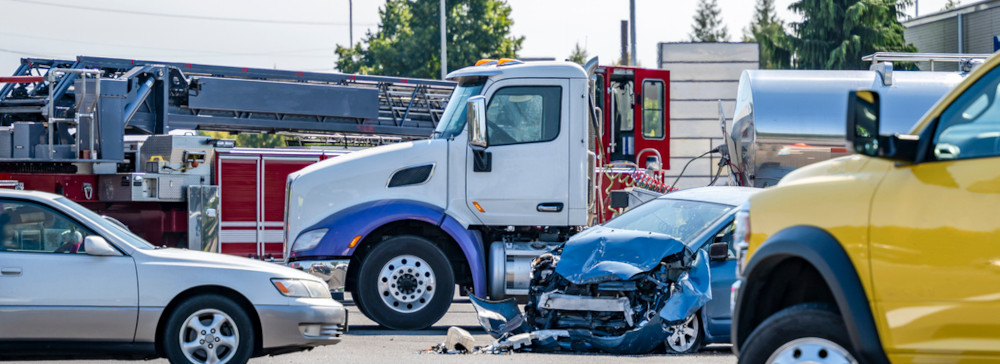
Truck accidents in Texas can take many forms. Each type of accident carries unique risks and legal considerations, influenced by Texas road conditions, freight traffic, and commercial regulations. Here is an overview of the most frequent scenarios.
Most Common Truck Accident Types
- Distracted driving truck accidents: Truckers spend long hours behind the wheel, making them prone to distractions like cell phones, GPS navigation, and in-cab dispatch screens. A split-second distraction in a vehicle that takes 40% longer to stop can be fatal.
- DWI truck accidents: Operating an 18-wheeler under the influence of alcohol or drugs is a severe violation of both Texas law and FMCSA safety standards. These cases often involve both criminal charges and civil liability.
- Blind spot accidents: Also known as “No-Zone” accidents, these occur when a truck driver fails to see a smaller vehicle in the large blind spots located at the rear, front, and sides of the trailer.
- Unsecured Load Accidents: If cargo is improperly balanced or secured, it can shift during transport, leading to a loss of vehicle control or debris falling directly into the path of other motorists.
- Jackknife Accidents: This occurs when the trailer of a truck swings out to the side at an angle, resembling a folding pocketknife. This is often caused by sudden braking or improper downshifting on slick Texas roads.
- Underride Accidents: When a smaller vehicle slides beneath the body of a truck’s trailer, the results are frequently catastrophic or fatal because the impact often bypasses the car’s own safety features. These cases can hinge on whether the truck had properly maintained rear and side underride guards that met federal safety standards.
- Rollover Accidents: High centers of gravity make large trucks susceptible to tipping over, especially during high-speed turns or when traveling through high-wind corridors in West Texas.
- Rear-end Collisions: Often the result of tailgating or brake failure, a rear-end impact from a semi-truck can crush the trunk and passenger compartment of smaller cars.
Mechanical and Compliance Issues
Commercial trucks are held to a higher standard of maintenance because their failure is catastrophic. When a company skips a scheduled inspection to keep a rig on the road, they are gambling with public safety.
Mechanical and compliance issues that cause accidents include:
- FMCSA & Hours of Service Violations: Federal law strictly limits how long a driver can be on duty to prevent fatigue. When these “Hours of Service” (HOS) are ignored to meet deadlines, the trucking company can be held liable.
- Brakes & mechanical failures: Trucks require constant maintenance. Failure to repair worn brake pads, steer tires, or lighting systems is a primary cause of catastrophic mechanical failure.
- Trucking Company Negligence: This broad category includes “negligent hiring”—putting a driver with a history of safety violations behind the wheel—and “negligent supervision.”
High-Risk Trucking Sectors
Certain industries in Texas carry a higher risk profile due to the nature of their cargo or the environments in which they operate. They can cause accidents like:
- Tanker and HazMat Accidents: Transporting flammable liquids or chemicals through metropolitan areas like Dallas or San Antonio increases the risk of explosions and toxic exposure during a crash.
- Oilfield and Industrial Truck Accidents: In regions like the Permian Basin, specialized trucks navigate narrow, rutted roads under extreme production pressure. Statistics show these areas have some of the highest fatality rates in the state.
- Delivery Truck Accidents: With the rise of e-commerce, box trucks and “last-mile” delivery vehicles are increasingly involved in accidents in residential neighborhoods and busy city streets.
Why Texas Truck Accident Cases are Complex
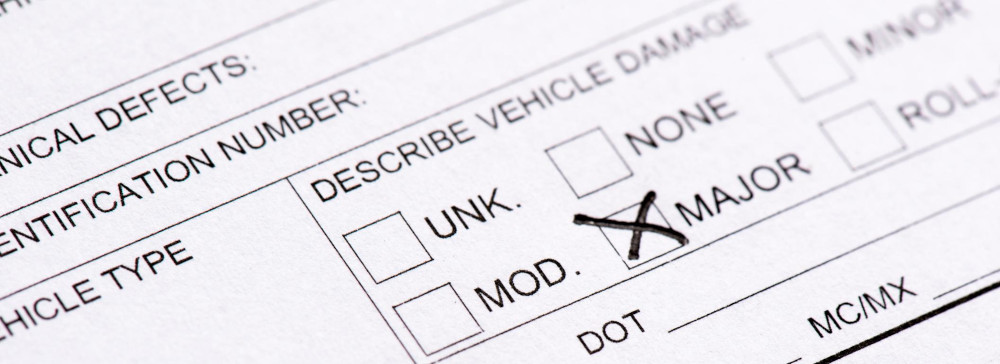
If you have been involved in a collision with a commercial vehicle, you are likely realizing that this is not a typical car insurance claim. Trucking litigation is usually more complicated for several key reasons:
- Multiple Liable Parties: A single accident could involve the negligence of the driver, the motor carrier that hired them, the company that loaded the cargo, and even the contractor responsible for vehicle maintenance.
- Federal vs. State Regulations: Trucking is governed by the Federal Motor Carrier Safety Administration (FMCSA) and Title 49 of the Code of Federal Regulations, in addition to the Texas Transportation Code. Navigating these dual systems requires specialized knowledge.
- Commercial Insurance Limits: Federal law and Texas trucking insurance requirements mandate commercial trucks to carry at least $750,000 in liability insurance, though many carry millions more. These high limits mean insurance companies will fight aggressively to deny your claim.
- Evidence Preservation: Trucking companies are only required to keep certain records for limited periods of time, including electronic driver logs and black box data, which can capture critical information such as speed, braking, and engine performance in the moments before a crash. Without prompt legal action, this evidence may be lost or overwritten.
- Aggressive and Defensive Trucking Company Tactics: Large trucking firms often have “Go Teams” of investigators and lawyers who arrive at crash scenes within hours to begin building a defense.
Potentially Liable Parties in Truck Accidents
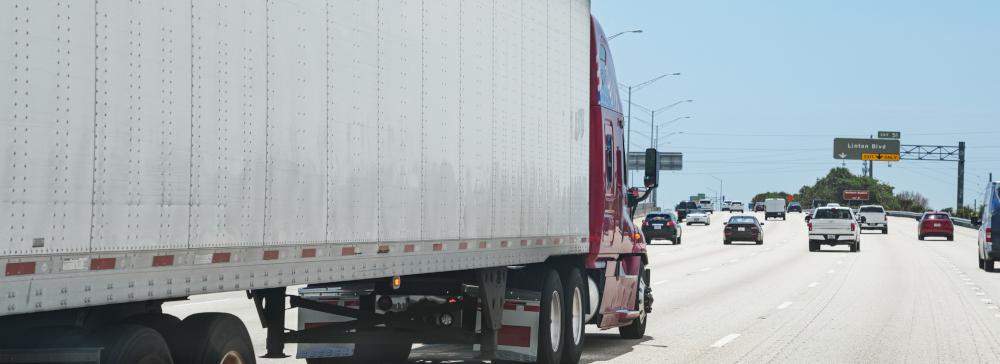
To recover full compensation, an investigation must determine who exactly failed in their duty of care. In the trucking industry, liability for an accident can fall on any of the following parties:
- The Driver: For errors like speeding, fatigue, or intoxication
- The Carrier/Employer: For negligent hiring or forcing drivers to violate safety rules
- Maintenance Contractors: For failing to identify or fix mechanical defects
- Loaders/Shippers: For improperly securing cargo or overloading the trailer
- Manufacturers: For defective parts like tires or brake systems
Compensation in Truck Accident Lawsuits

Truck accidents can have life-changing consequences. Medical bills, lost income, and the disruption to daily life can be overwhelming. Texas law allows victims to seek compensation for both the financial and personal losses caused by these accidents.
Because commercial trucks carry much higher insurance coverage than regular cars, there is often a real opportunity to recover fully. Through a successful claim, you may be entitled to receive:
Economic Damages (Financial Losses)
- Medical Bills: Hospital stays, surgeries, and ER visits
- Future Care: Physical therapy, prescriptions, and home modifications
- Lost Wages: Income lost while recovering
- Loss of Earning Capacity: If you can no longer work in your field
- Property Damage: Repairs or replacement of your vehicle
Non-Economic Damages (Quality of Life)
- Pain and Suffering: Compensation for physical discomfort
- Emotional Distress: Anxiety, PTSD, or depression
- Loss of Enjoyment: Inability to participate in hobbies or daily activities
- Disfigurement: Compensation for scarring or permanent physical changes
- Loss of Consortium: Impact on your relationship with a spouse
Punitive Damages
- Punishment: Extra compensation awarded in cases of gross negligence to punish the trucking company
Many of these cases result in a settlement before reaching a jury. However, because commercial insurers are highly sophisticated, these truck accident settlements require extensive documentation and expert testimony from accident reconstructionists and medical professionals.
Where D. Miller & Associates Handles Truck Accident Cases

D. Miller & Associates, PLLC provides legal guidance to accident victims across the entire state of Texas. Our team understands the specific nuances of the local courts and high-traffic corridors in every major hub, including:
Each region presents its own logistical and legal challenges, making statewide experience an important factor in trucking cases.
Contact D. Miller & Associates, PLLC After a Commercial Truck Accident in Texas

Whether the accident involved an 18-wheeler, box truck, tanker, delivery van, or any other large rig, our experienced legal team can help you understand your rights. A consultation provides the opportunity to walk through the frequently asked questions about truck accidents and discuss how Texas law applies to your specific situation. You can request a comprehensive case evaluation with D. Miller & Associates, PLLC today to explore your options and next steps.