

Truck drivers are required by law to accurately log their hours, but logbook violations are becoming more common as the pressure to deliver more cargo faster grows.
While logbook violations don’t cause accidents, they often play a central role in truck accident injury claims, as they can prove that a truck driver was fatigued and in violation of hours-of-service regulations at the time of the crash.
D. Miller & Associates attorneys have extensive experience uncovering truck driver logbook violations and other patterns of reckless conduct that get people hurt on Texas roads.
If you have been injured and you believe the driver was fatigued or negligent in any way, our Texas truck accident lawyers are here to help you explore your legal options and fight for the compensation you deserve.
Hours-of-Service and the Need for Logbooks
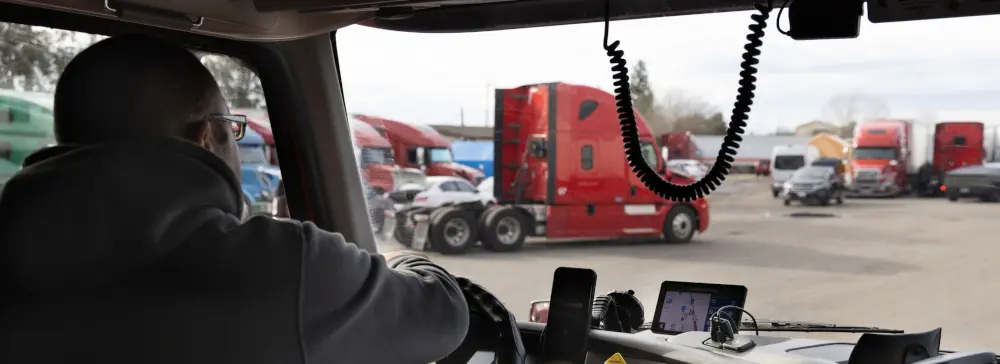
Federal lawmakers long ago recognized that truck driver fatigue posed a serious threat to public safety. In the late 1930s, federal regulators implemented the nation’s first hours-of-service rules to prevent fatigued truck drivers from operating large commercial vehicles on public roadways. The laws required drivers to maintain logbooks documenting their driving and rest periods.
Today, most truckers log their hours in electronic logging devices (ELDs) rather than the old-fashioned paper logbooks, but the name remains, and so does the need for accurate accounting of time.
Under the Federal Motor Carrier Safety Administration (FMCSA) rules regarding truck driver rest and sleep breaks, a truck driver must:
- Take at least 10 consecutive hours off duty before beginning a new driving shift
- Not drive more than 11 hours after 10 consecutive hours off duty
- Not drive beyond the 14th consecutive hour after coming on duty
- Take a 30-minute break after eight cumulative hours of driving
- Comply with weekly limits that generally prohibit driving after 60 hours on duty in seven days or 70 hours on duty in eight days
When truckers commit hours-of-service violations, they pose a serious threat to everyone else on the road.
Truck drivers who are fatigued are slower to react to changing traffic conditions and more likely to cause truck accidents. Serious fatigue is the equivalent of driving drunk. This is why these rules are so important, and why truck drivers and trucking companies sometimes try to hide evidence that such violations occurred.
How Truck Drivers Hide Hours-of-Service Violations

The changing history of logbook requirements has changed how truckers hide hours-of-service violations. From truck driver logbooks on paper, to the newer ELD systems, the temptation to hide violations remains strong.
Paper Logbook Violations
When paper logbooks were common, it was relatively easy to hide hours-of-service violations. Truck drivers would often maintain multiple logbooks, make false entries regarding their driving and rest time, or simply omit portions of their trips from the records.
Because paper logs relied heavily on self-reporting, drivers and trucking companies could sometimes disguise excessive driving hours for weeks or months before the discrepancies were discovered.
Electronic Logbook Violations
Electronic logging devices have made certain forms of logbook fraud more difficult, but they have not eliminated hours-of-service violations.
Truck drivers employ novel and creative methods to attempt to manipulate truck electronic logbook data, such as:
- Logging hours in another driver’s account
- Turning off the system while on duty
- Driving before turning the system on
- Logging hours as “personal conveyance” even when they are on duty
The truck driver is not always the only at-fault party when such violations occur. Some trucking companies place enormous pressure on their drivers, often leaving them with a workload that cannot possibly be met while working within the rules.
This is why it is necessary to conduct a thorough truck accident investigation when a fatigued driver causes an accident. Injury victims deserve to know all liable parties, and they deserve compensation from all available sources.
How Injury Victims Can Fight Back

No matter how sophisticated the methods of committing truck driver logbook violations have become, a skilled truck accident lawyer knows how to cut through the obfuscation and find the facts.
At D. Miller & Associates, we are highly familiar with the tactics truck drivers and trucking companies use to hide hours-of-service violations and use cutting-edge legal strategies to counter those tactics for the benefit of our clients. We can help you fight back against these deceptive tactics by preserving evidence, following the paper trail, and identifying all liable parties.
Preserving Critical Evidence and Following the Paper Trail
Time is the enemy in any trucking accident case. Electronic records can be overwritten, documents can disappear, and witnesses’ memories can fade. An attorney can act quickly to preserve crucial evidence such as:
- ELD and logbook data: Electronic Logging Device records and written logs show the driver’s reported hours, rest periods, and time spent on the road. Pinning down this reported data is often the starting point for identifying violations.
- Dispatch records and communications: Messages between the driver and the trucking company can reveal a story that does not mesh with the truck driver’s account. If an employer or dispatcher told the driver to keep driving even when tired, it can form the basis for a legal claim.
- GPS and telematics data: Location tracking systems can show where the truck traveled, in some cases contradicting the locations and rest periods listed in the logbooks.
- Fuel receipts and toll records: Time-stamped transactions can place the truck in specific locations at certain times, helping call into question the timeline recorded by the driver.
- Bills of lading and shipping documents: These records establish pickup and delivery times and can expose whether a trip was completed within legal driving limits.
- Cell phone records and data: Call logs, texts, and app usage can help reconstruct a driver’s activity during alleged rest periods.
- Maintenance and inspection records: Shop visits, inspections, and repair logs can provide additional timestamps that help verify the truck’s movements.
When these sources are compared side by side, gaps and contradictions often emerge that can serve as powerful evidence that a driver was fatigued or operating outside federal hours-of-service rules.
Identifying All Liable Parties
Drivers are not always acting alone. Trucking companies may encourage unrealistic schedules, ignore red flags, or fail to monitor compliance with federal safety regulations.
Responsibility may also extend to freight brokers, shipping companies, maintenance contractors, and even third-party logistics providers, if they played a role in setting deadlines or failed to ensure safe operating conditions. A thorough investigation can determine whether the carrier or other party shares responsibility for the crash. If multiple parties share the blame in your accident, additional insurance coverage may be in play and your total potential compensation increased.
Building a Strong Claim for Compensation
What matters most in a truck accident injury claim is that the victim obtains fair and just compensation for the many hardships they have suffered and will continue to suffer.
Evidence of hours-of-service violations can help establish negligence and demonstrate why a crash occurred. By uncovering the truth about a driver’s work and rest history, injury victims can strengthen their claims and pursue fair and just compensation for hardships such as:
- Medical treatment, including ER care, hospitalization, physical therapy, medication, and ongoing care
- Wage loss, including past and future missed paychecks and diminished earning capacity
- Scarring and disfigurement
- Emotional trauma and PTSD
- Diminished quality of life
Tragically, some truck accident victims do not survive their injuries. In such cases, surviving family members may pursue compensation through a wrongful death claim to help cover lost income, funeral and burial expenses, mental anguish, loss of companionship, and other economic and non-economic losses.
Signs a Truck Driver Was Fatigued

A potential logbook violation will become more relevant if there is evidence that the truck driver was fatigued at the time of your accident, such as:
- Drifting between lanes
- Delayed braking
- Missing traffic signals
- Driving at erratic speeds
- Yawning, slow responses, and blood shot eyes
Evidence from inside the truck can also help build a compelling case for driver fatigue. For example, energy drinks, caffeine pills, stimulants, and other physical evidence can help establish that a truck driver was pushing their body beyond its natural limits.
All this evidence, when combined with data from black boxes, ELDs, and other sources, can help reveal a pattern of negligence that establishes liability in a truck accident injury claim.
Injured by a Fatigued Truck Driver? We Find the Facts.

If you were injured in a truck wreck and you believe truck driver fatigue or a logbook violation may play a role in your claim, we are here to find the facts and help you pursue full and fair compensation for your losses. Contact us today to arrange a free legal consultation with an experienced truck accident lawyer serving clients in Houston and throughout Texas.