

The more you know about safety and the law, the better equipped you will be to avoid an accident while riding a motorcycle in Texas—and prevail in the legal system if you are injured in a crash.
At D. Miller & Associates, we are passionate about making Texas roads safer for everyone, including motorcyclists and the people they share the roads with. We hope you find this information on motorcycle accidents in Texas helpful and that your next ride is a safe one.

Texas Laws that May Affect Your Motorcycle Accident Claim
Every state has its own laws pertaining to motorcycle accident claims and other types of personal injury cases. In Texas, these following legal issues are critical:
Helmet Laws
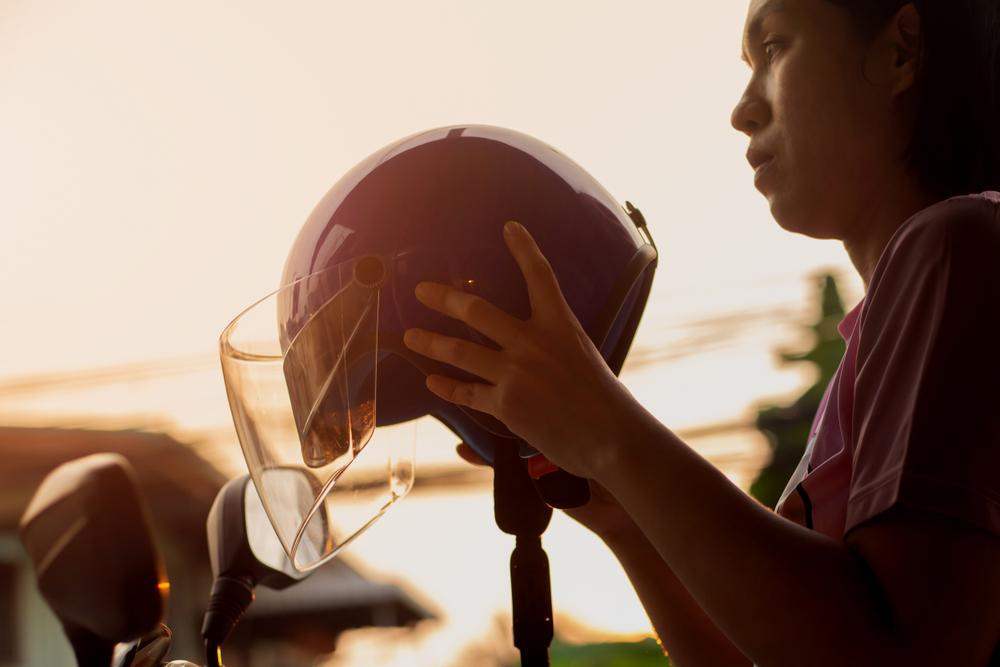
Per Texas helmet laws, every person under the age of 21 must always wear a helmet while riding on or operating a motorcycle. Riders age 21 or older may choose to ride without a helmet, but only if they meet one of the two following requirements:
- They completed a motorcycle safety and training course
- Their health insurance plan covers motorcycle accident injuries
Even if you were not wearing a helmet at the time of the accident, you may still be eligible to obtain compensation for your injuries.
Comparative Negligence in Motorcycle Accident Cases
Under Texas’s modified comparative negligence doctrine, victims of negligence may still pursue personal injury compensation even if they were partly at fault in the accident, as long as their share of fault does not rise above 50%.
Under this system, a victim’s compensation is reduced by the same percentage of fault they contributed to the injury. For example, if total damages are $100,000, and the victim was 10% at fault, the compensation would be reduced by 10% of $100,000, for a reduced total of $90,000.
Other Motorcycle Laws
Texas has several additional motorcycle laws that may affect an accident claim, including:
- Headlights: Texas requires motorcycles to operate with a headlight on at all times while riding on public roads.
- Eye protection: Riders must wear approved eye protection at all times while on a motorcycle.
- Mirrors: Motorcycles must have the required rearview mirrors to provide adequate visibility.
- Lane splitting: Motorcyclists are entitled to the full use of a lane of traffic, but may not drive a motorcycle between lanes of traffic (lane splitting).
- Handlebar height: Texas limits motorcycle handlebar height for safety purposes.
- Driving while under the influence (DWI) laws: Motorcycle riders are subject to the same impaired driving laws as other motorists. A rider who operates a motorcycle while intoxicated may face criminal penalties and liability for resulting injuries.
An experienced Texas motorcycle accident lawyer can help you understand how these and other laws apply in your specific situation.

Motorcycle Accident Injuries
Because motorcyclists lack the protective features of a car or truck, they are significantly more likely to suffer injuries like:
- Traumatic brain injuries: Head injuries can occur even when riders wear helmets and may result in concussions, cognitive impairment, memory problems, and other long-term complications.
- Spinal cord injuries: Damage to the spine can lead to severe pain, limited mobility, paralysis, and permanent changes to a person’s quality of life.
- Fractures: The force of a motorcycle crash can cause broken bones in the arms, legs, wrists, ribs, and other parts of the body.
- Road rash: When riders slide across pavement after a crash, they may suffer painful skin abrasions commonly known as “road rash.” These abrasions can lead to dangerous infections and permanent scarring and disfigurement.
- Fatal injuries: Motorcyclists are 27 times more likely to die in a crash compared to occupants of passenger vehicles. When a motorcyclist is killed by a negligent motorist, surviving family members may pursue compensation for economic and non-economic losses through a wrongful death claim.
Compensation in Motorcycle Accident Injury Claims

Motorcyclists who are injured by the negligence of another driver or other at-fault party may be entitled to compensation for economic and non-economic losses that may include:
- Medical bills, including ER care, hospitalization, medication, physical therapy, and ongoing treatment
- Wage loss, including time missed from work due to disability and future loss of earning capacity
- Pain and suffering
- Emotional trauma and PTSD
- Permanent scarring and disfigurement
- Property damage, including bike repair or replacement
Insurance companies often try to downplay the consequences of a motorcycle crash. A thorough assessment of your damages may reveal your claim is worth far more than the insurance company is telling you.
Common Causes of Motorcycle Accidents
Motorcyclists face many dangers on Texas roads. Some of the most common causes of motorcycle accidents include:
Illegal Left Turns
Many motorcycle accidents happen when drivers turn left in front of an oncoming motorcycle. Because motorcycles are smaller and less visible than passenger vehicles, drivers may misjudge their speed or fail to notice them until it is too late.
Merging and Blind Spot Failures
Drivers who merge without checking their blind spots can easily miss a nearby motorcycle. These crashes often happen when a vehicle changes lanes or enters traffic without properly looking for riders.
Dooring
A driver or passenger who opens a vehicle door into the path of a motorcycle can cause a serious collision. Riders have little time to react when a door suddenly opens in their lane, especially in busy areas or along narrow roads.
Distracted Driving
Drivers who are too inattentive to notice motorcyclists under normal conditions are even more dangerous when they are texting or engaging in other distracting behaviors.
Road Hazards
Potholes, uneven pavement, and other road hazards can be much more dangerous for motorcyclists than for drivers in enclosed vehicles. When dangerous road conditions contribute to a crash, local or state government entities responsible for road maintenance may be held responsible for resulting injuries.
What to Do After a Motorcycle Accident in Texas
The steps you take immediately after a motorcycle accident can benefit your health and well-being as well as a potential injury claim. If possible:
- Get medical attention: Even if your injuries seem minor, get checked by a medical professional and follow their treatment recommendations.
- Call the police: Report the accident and make sure an official crash report is created.
- Document the scene: Take photos of the vehicles, your injuries, road conditions, and anything else that may help explain what happened.
- Gather information: Get the names and contact information of the other driver and any witnesses who saw the crash.
- Avoid admitting fault: Be careful about what you say to insurance companies or others before you fully understand what happened and who may be responsible.
- Keep records: Save medical bills, repair estimates, communications with insurance companies, and other documents related to the accident.
If you have any questions about insurance coverage or a potential personal injury claim, consult with a lawyer who has experience handling these types of cases.
Statewide Representation for Motorcycle Accident Claims in Texas

At D. Miller & Associates, we proudly handle motorcycle accident injury claims throughout Texas, including:
Our coverage extends across the state, including locations where the risk of motorcycle collisions is always high like:
Wherever your Texas motorcycle accident took place, we have investigators and attorneys ready to help at a moment’s notice.
Get Legal Help When You Need It If negligence does strike and you are injured as a result, we are here to fight for the fair compensation you deserve. Contact us to arrange a free, no-obligation consultation with an experienced motorcycle accident lawyer handling injury claims throughout Texas.